They make it hard to dispose of waste

It has always been difficult for St. Paul residents to dispose of yard waste, hazardous waste, fluorescent bulbs, gasoline, and recyclable electronics.  Ramsey County has a new hazardous waste facility where residents can drop stuff off. It replaces the old hazardous waste collection facility, which was kind of hidden under a bridge, on Empire Street, just off of Jackson Street near downtown.

At the old facility, it wasn’t unusual to end up in a line of 3 to 12 cars and to have to wait in line for a short time to drop off waste. At the new facility in Roseville, there is a very long line and wait. I asked about it on my first visit and was told that there isn’t always a long line. On my second visit, several weeks later, there was a long line.

The facility is large and new and modern, but doesn’t appear to be designed to handle the demand. Perhaps it is already obsolete? Maybe in planning, the county did not anticipate the demand.

I try not to buy anything that I may later have to dispose of at the hazardous waste collection site, but some items like batteries and electronics are necessary. For information about disposing of hazardous waste in Ramsey County, just ask Google. I would include a link, but government agencies like to rearrange websites, leaving me with dead links.

There is often a long line at the yard waste drop-off sites. In fact, there have been a couple of times when I have had to turn around and head back home because I did not allow enough time to wait in line. The yard waste sites take fewer items, leaving us to figure out new ways to dispose of tree stumps and brush.

Long line
Long line at Ramsey County Waste Collection Site
Long Line
Long Line at the collection site

You can’t tell from the picture, but there are actually two lines that merge together near the building. The staff at the collection site are fast and courteous. I think whoever designed the system made a mistake that we will have to live with for a few decades.

I won’t even guess at how much environmental harm is caused by so many cars idling and waiting in lines day after day.
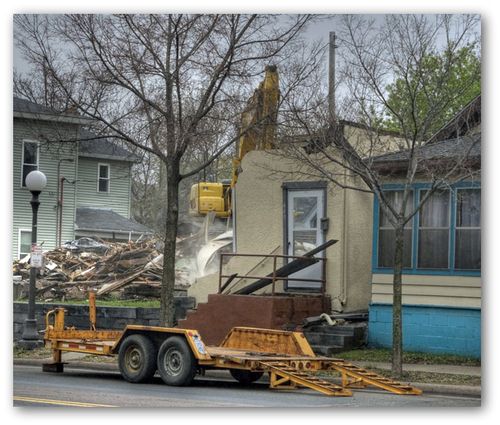
Saint Paul Vacant Building list

dozer
How to make a lot vacant – registered vacant home

If you plan to leave your house or commercial building vacant in St. Paul, you will need to register it with the city and pay a fee. Fees start at $2459 and go up to $5410.

The city puts the address of the vacant property on a publicly accessible website, which is super convenient for thieves.  Your property becomes a magnet for crimes and scams.

Sometimes homeowners are assessed the vacant registration fee while they are still living in the house. The homeowners continue living in the house but sleep in their car at night.  These seniors do not want to vacate their homes and they cannot afford or find alternative housing.

Sometimes the homeowner has a house full of junk that they have collected to the point where there isn’t any place left to sleep or to cook. I have seen homes where the tonnage of stuff has caused structural damage.

I have a pro-tip for homeowners who have houses that are not up to code and who can not afford the repairs. Keep your lawn mowed, and in the winter, make sure the snow is cleared.  If the yard looks good, your neighbors won’t call the city and complain. If no one complains, you will be able to live in your house with little fear of visits from city inspectors.

Building code enforcement in St. Paul is complaint-driven, and it isn’t evenly enforced. Building inspectors have a lot of discretion. They may wait 20 years to condemn a house that has multiple code violations, or they may give the homeowner a month before they condemn and try to force the homeowner to pay the registered vacant building fee.

To learn more about the St. Paul vacant building program, visit Stpaul.gov. If you wish to see a list of vacant buildings, search for the stpaul.gov site.

Throwback Thursday – Vision

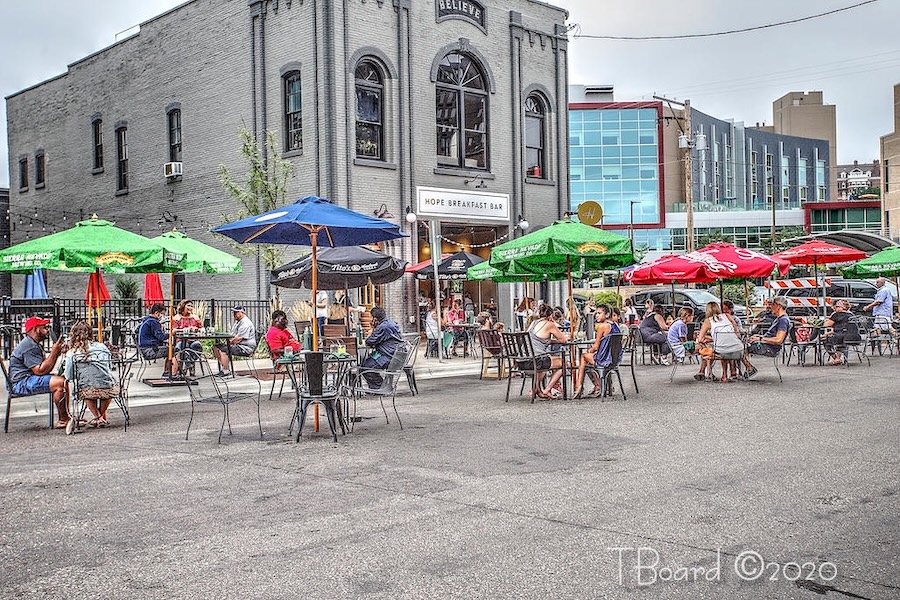
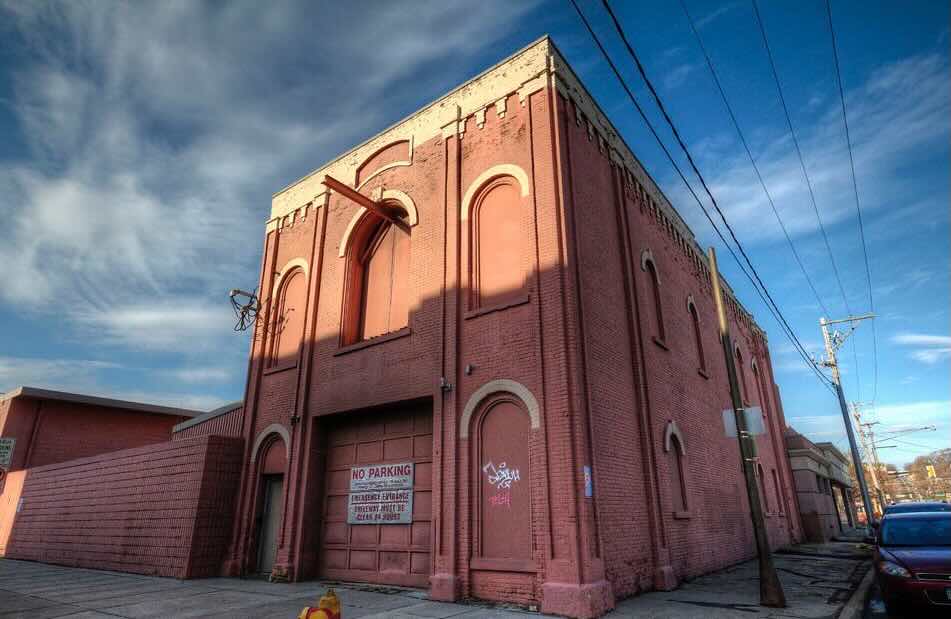
Here are a couple of pictures of the historic firehouse on Leech Street at Grand Ave. The building was vacant for a time, and before that, it belonged to a local contractor. Then it was sold to someone with vision who transformed it into a restaurant.

Hope Breakfast Bar is one of my favorite places to eat.

Hope firehouse
Hope firehouse in 2016
Hope Breakfast Bar
Hope Breakfast Bar

Change in the neighborhood seems to happen at a snail’s pace and then I look around and it all seems sudden.

Throwback to 2013 – Fireworks

Once upon a time, a long time ago, there were public fireworks displays on the Mississippi River in St. Paul, Minnesota, on July 4th. The event was free and open to all, and the fireworks could be seen from miles away.

We used to line up on the bridges and watch the fireworks. It all helped build a sense of community, the way we celebrated together. I am happy that I have some pictures.

Fireworks over the Mississippi river
Fireworks over the Mississippi River in 2013

Fireworks can be challenging to photograph. I like to show context rather than just showing the fireworks in the sky that could be anywhere. In the picture, you can see the old West Publishing building, which isn’t there anymore.

For many years, there were public fireworks displays on the State Capitol grounds in St. Paul. Those fireworks could be seen from miles away and were free and accessible to the public.

Throw back Thursday – Smoke stack

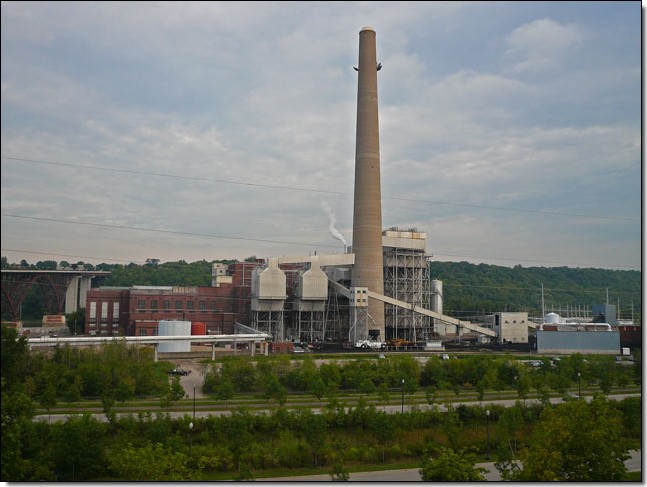
I wrote this in 2007. It is hard to believe that the NSP smoke stack on the Mississippi River near the Smith Avenue Highbridge has been gone for 15+ years.

What got me thinking about this is how change is the only thing we can count on. Change is a constant in our lives.

Some may think this is a Friday fun post on Monday, but it is not.  My neighbors and our City Council Rep, Dave Thune, all know that I am serious about this.  I started talking about it in late 2005 when I learned about the new power plant.  I sent an email to Ed Johnson of the Fort Road Federation suggesting that we keep the stack, or that we at least consider it.  We don’t own it, Xcel Energy does, but our city has a great deal of influence over riverfront development.

Powerbest
The old coal-burning highbride plant will soon be replaced with a gas-burning power plant.  As a result, the old plant will be demolished.  I would like to see the stack from the plant saved.  Why would I care about a smokestack?  Why not?  We preserve grain elevators and tiny homes that were built in the mid-1800s. Why would we demolish a landmark?  The stack is 556 feet tall and can be seen for miles.  It is also a home for the peregrine falcons. (See the live cam)

Peregrine falcons are most at home high in the sky, where they “skydive” for prey. By installing nest boxes at a height of  300- 600 feet above the ground, they created an environment similar to the high cliffs they prefer.

Bodie_lighthouse Millions of dollars were used to save, move, and preserve the Cape Hatteras Lighthouse, and it does not look all that different from our smokestack.  With a little paint, we could achieve the same effect.

I understand why people don’t get all excited about saving a smokestack, but I think we should consider it.  Once the plant is removed, the land will be green space.  No one would dream of demolishing the vacant Island station plant just upstream.

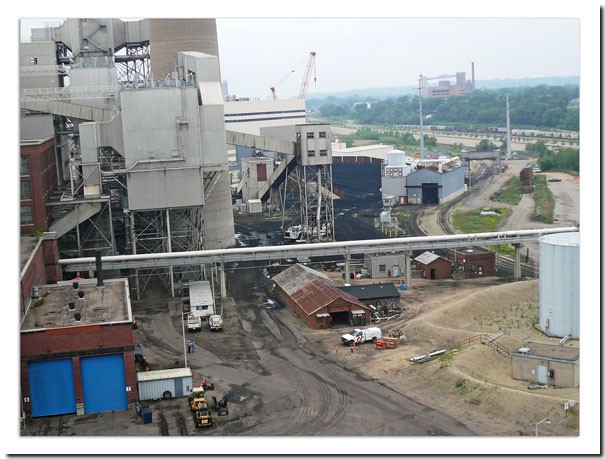
As for much of the rest of the power plant, I don’t imagine anyone will miss it too much.  Personally, I will be happy when the coal piles are gone.  A couple of years ago, on a windy da,y the coal dust got into our house, making us wonder how much coal dust we have inhaled over the last 25 years, and why in a state where everything is illegal, no one talks about the health hazards associated with living near a coal pile.

Powerplant_2

I have a neighbor who admits that he finds the blinking red light on the top of the stack comforting.  I can relate and have been known to sit on the back porch at night and watch the lights blink on and off.


This post is now a part of our history. The picture on the bottom was taken from the Smith Avenue bridge and is the best picture I have of the old coal-burning plant. The black that is dead center in the photo is coal, and you can see the old Schmidt Brewery on the horizon.

Got noxious weeds?

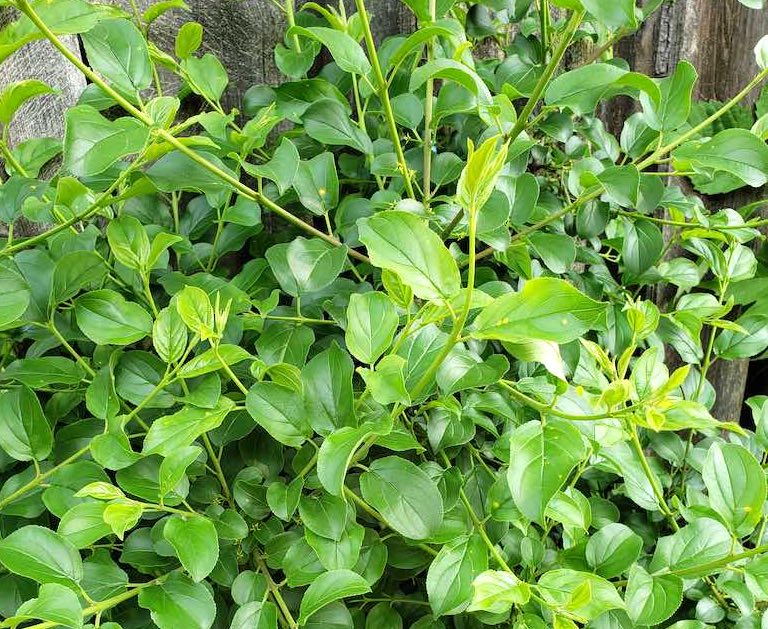
There is some buckthorn growing in my yard and some wild chives. Those are two invasive species. Both are hard to get rid of.

Buckthorn Bush

I don’t have to look far to see invasive species or noxious weeds being grown and even cultivated by well-meaning St. Paul gardeners. There are so many that it is hard to keep track. Ramsey County has a list with pictures. If you are not sure you are growing an invasive species, check the Ramsey County Cooperative Weed Management page.

By the way, St. Paul has rules regarding vegetation. I think the most important thing to know is that vegetation must be controlled and cannot encroach on sidewalks, streets, or alleys.  There are rules against tall grass and vegetation that may harbor rodents.

City rules also state, “Cut and remove overgrown, uncontrolled vegetation, shrubs, trees, vines throughout the yard that may harbor rodents. (The City does not have an enforceable code for trees or vegetation hanging into neighboring private properties.) ” Find more rules at Stpaul.gov property code enforcement.

Property codes in St. Paul are enforced by a complaint-driven system, which means that if no one complains, you can grow anything you want.

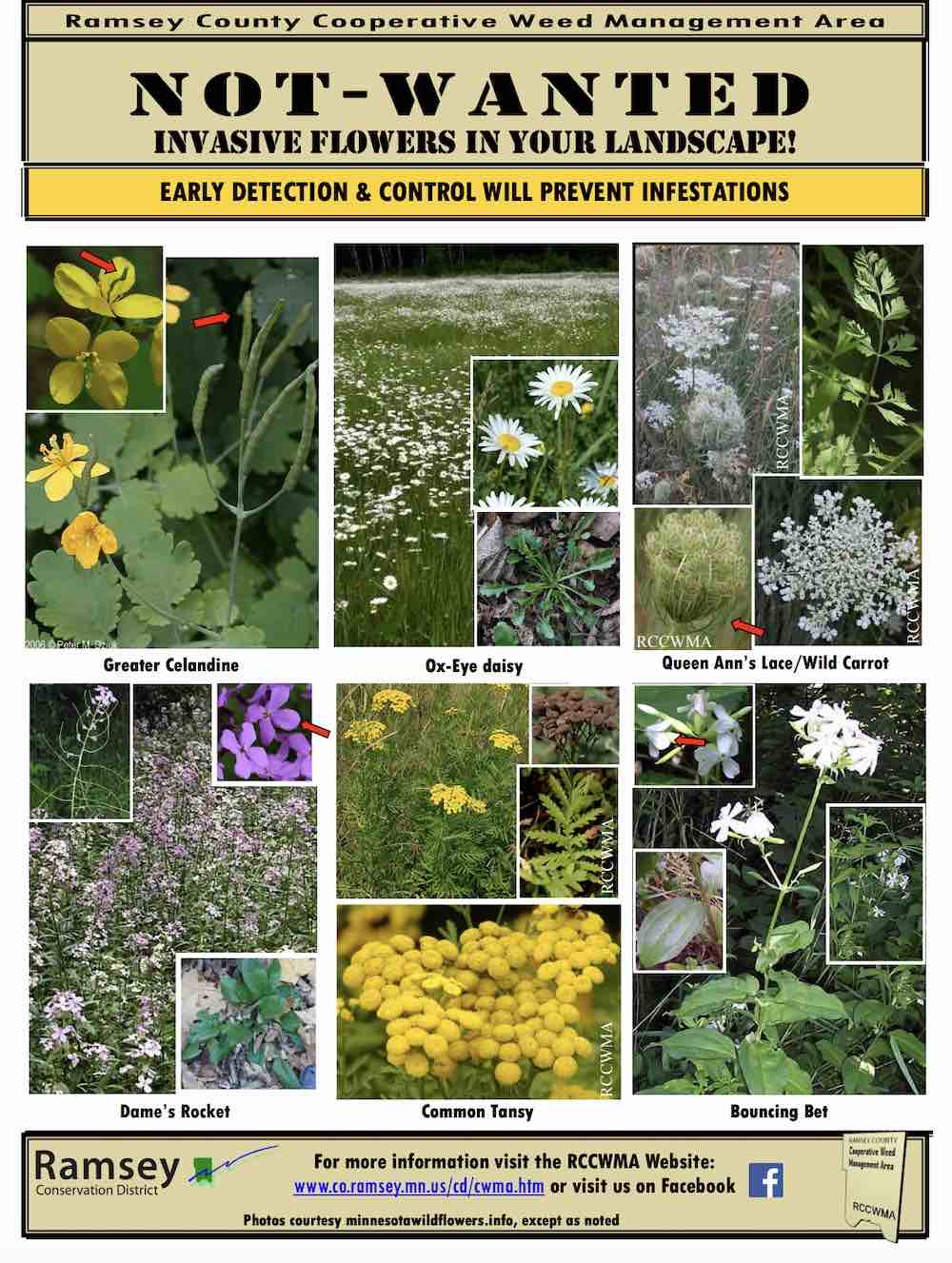
Here is a screenshot of some invasive flowers. It does not include purple loosestrife, an invasive species in Minnesota that came from Eurasia and can be found in our wetlands.

Invasive flowers
Invasive flowers in Ramsey County

Many people can’t identify invasive plants or noxious weeds, which is why they grow them in their gardens.