According to market analysis from mid-2025, the U.S. housing market is on track to be the slowest in more than 25 years. A combination of high mortgage rates, persistent home prices, and resulting affordability challenges has created a standstill where both buyers and sellers are hesitant to make a move.
The year isn’t over yet. Here in St. Paul, the median number of days on the market for a house in August was 16 days. Homes are still selling for more than the asking price. Homeowners are slow to list their houses, but this is nothing new.
Aging doesn’t have to mean moving. Some older Americans choose to age in place. A home with stairs in it isn’t a bad thing. Walking up and down stairs is great exercise. In fact, some people go to the gym and use a stair stepper to strengthen their legs.
In fact, “Bungalow legs” is an informal term for the physical deconditioning and weakening of leg muscles that can occur when a person moves to a single-story home and stops regularly using stairs, which are a vital form of exercise for leg strength and overall fitness.
Stairways can be kept safe with lighting, and railings. No-slip strips can be put on indoor or outdoor stairways.
I read an article that states that 66% of ninety-year-olds have trouble with stairs. That means that 34% of 90-year-olds can handle the stairs. Taking the stairs whenever possible at home or work is a great way to keep legs strong for those who want to be in the 34%.
Labor Day weekend is kind of a big deal. People go places and do things, and then school starts. We don’t spend too much time thinking about labor.
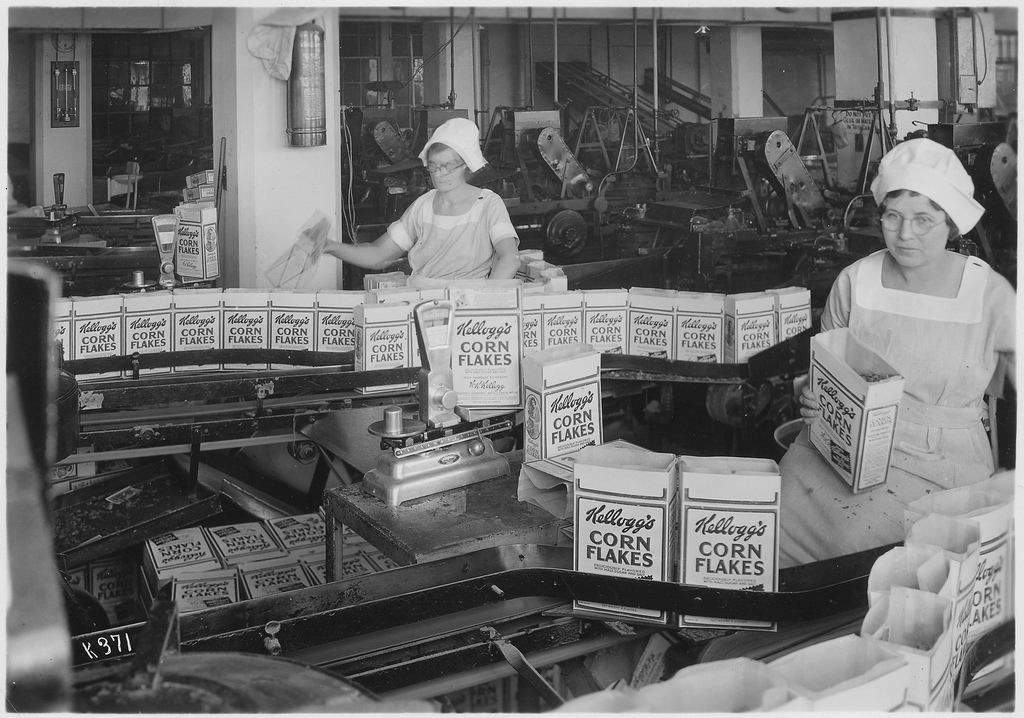
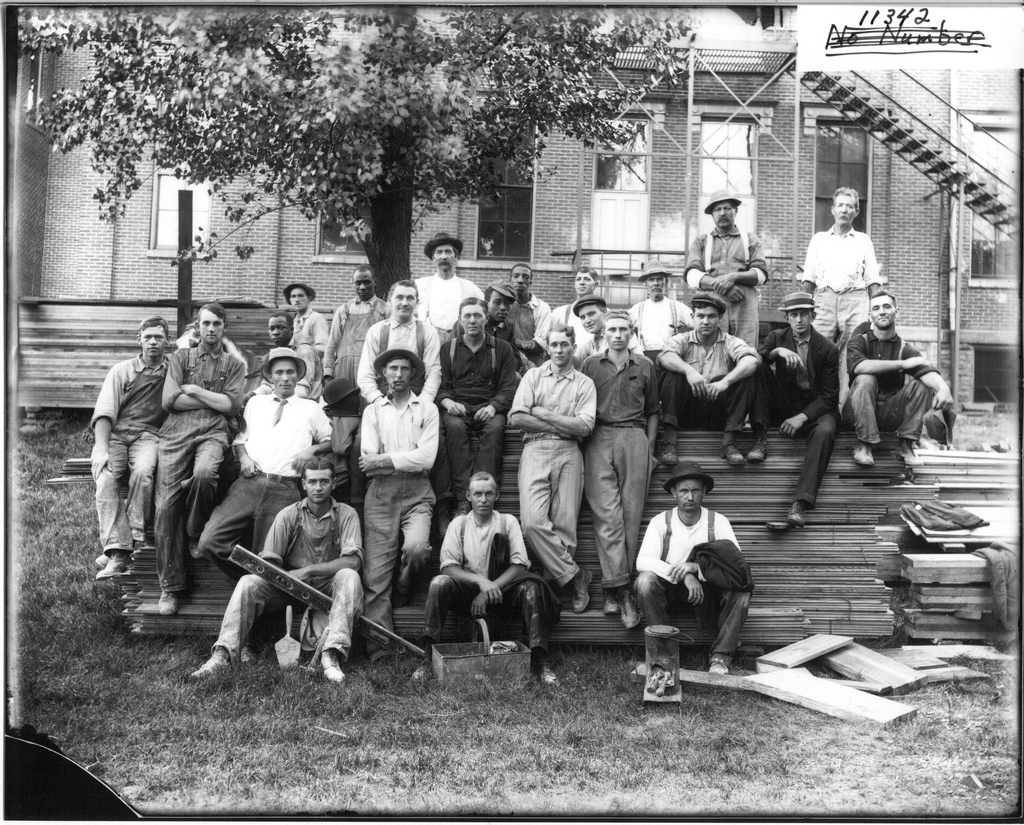
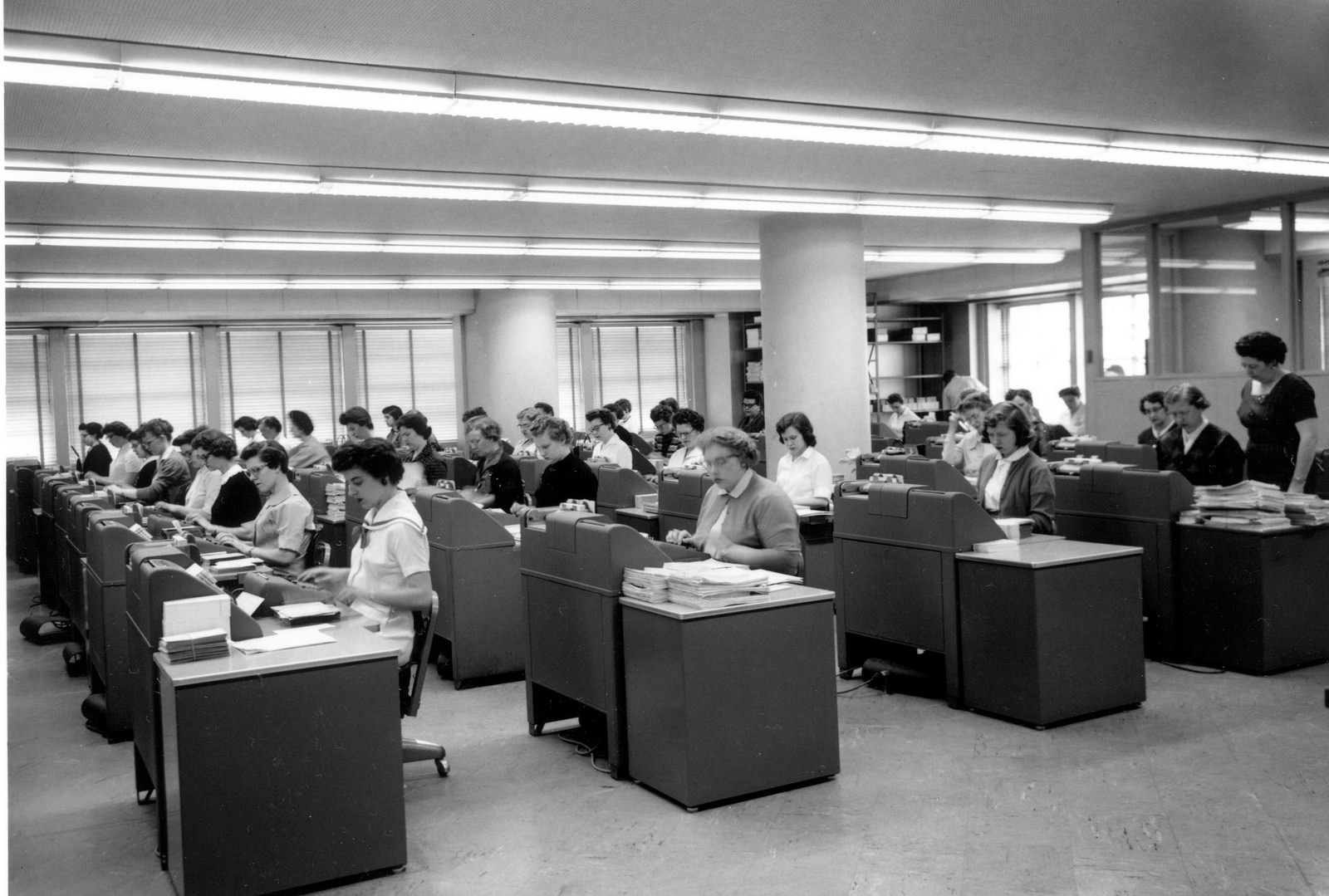
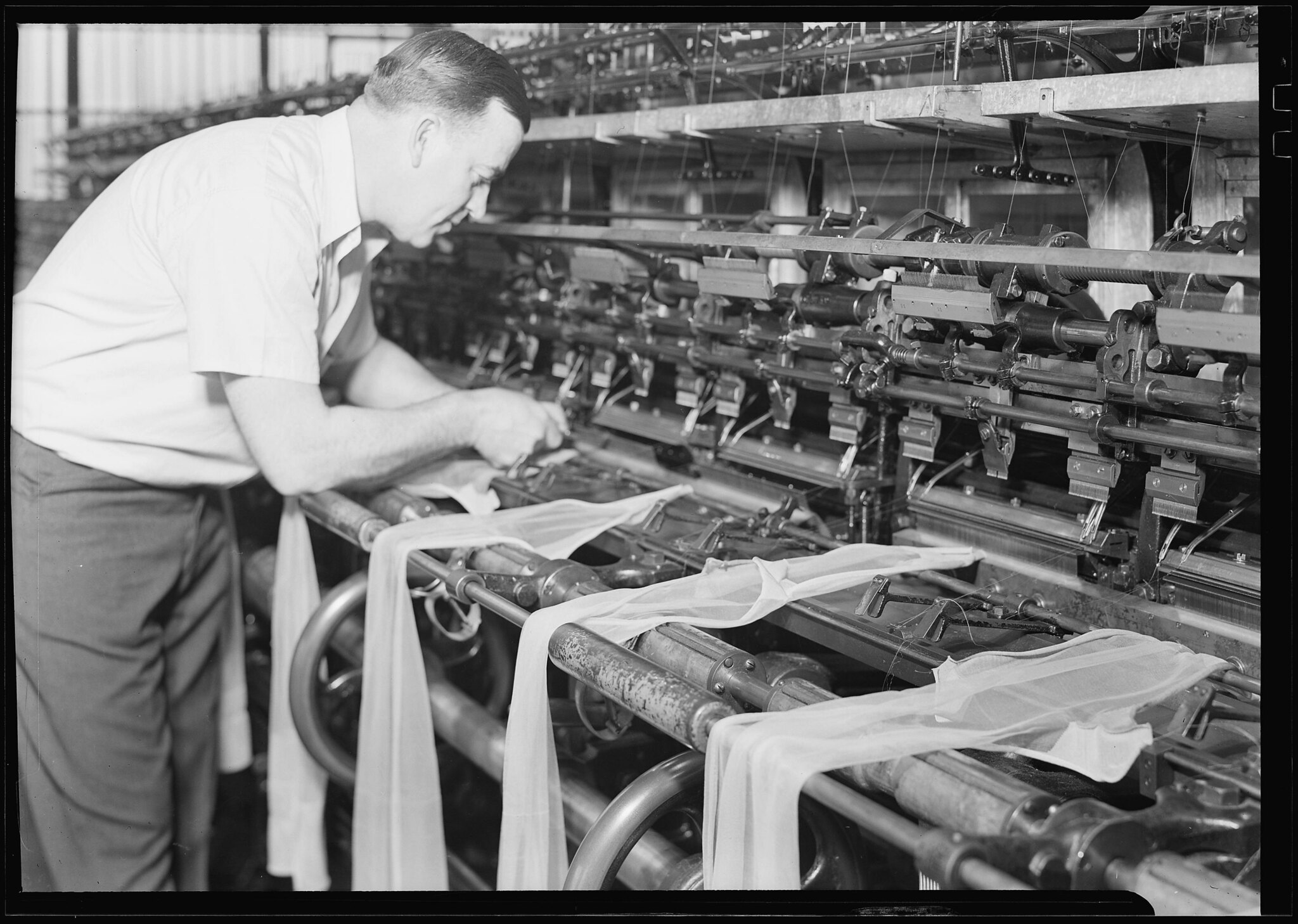
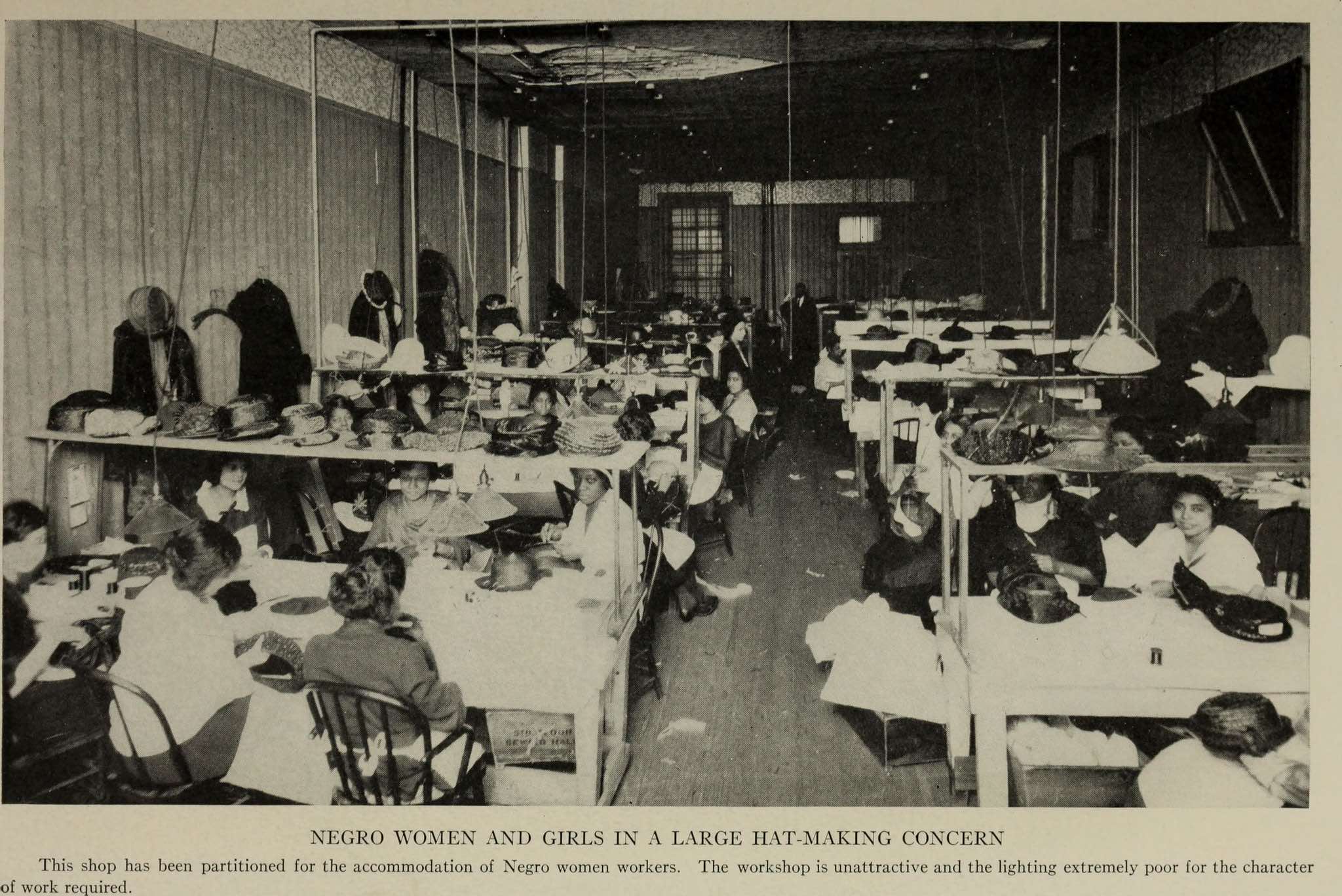
I have used most of these pictures before to commemorate Labor Day. I added a new image of a hat factory that was partitioned off so that black women could work there. This country was built on cheap labor and slave labor.
Most of the jobs in the pictures don’t exist anymore. Robots and AI are taking over the jobs that are left.
Working conditions for many have improved over the last 100 years but work is still work. It was once thought that technology would replace workers, and it has, but no one ever expected technology to be in charge of the workers. I am thinking of those who work in warehouses, large discount chains, and call centers.
Some jobs are broken down into pieces so that each individual worker does part of a job, over and over. Many jobs don’t pay well enough so that the worker can afford life’s necessities.
Our brand of predatory capitalism is part of the reason why so many workers can’t have nice things, but their bosses and the people who own the companies can. They are fabulously wealthy, and they hoard their money, which isn’t good for the economy.
On a happier note, labor unions are experiencing a resurgence. I think we need strong labor unions.
factory workers 1934 – I like their hats
Construction 1912typing pool 1950’sFactory worker working at machine with draped stockings, 1936
Hat factory 1922
The photos came from Flickr commons where there is a treasure trove of old photographs.
It is Friday, and Fridays are for fun. I have really enjoyed gardening this year. We have had to stay home more than usual due to my husband’s illness. This weekend I’ll be finishing up a little landscaping project and planting some bulbs. There really is no place like home.
Rising homeowners insurance costs make owning a home more expensive. For condo owners home owner association dues are way up because of increased insurnace costs.
For the typical homeowner with a mortgage homeowner’s insurance is required and is added to the monthly mortgage payments. Homeowner’s should expect increases in monthly mortgage payments due to higher insurance costs and of course property tax increases.
Rising homeowners’ insurance premiums are driven by increased claims costs from more frequent and intense natural disasters like wind and hailstorms, exacerbated by higher construction material and labor costs due to inflation and supply chain issues. These factors place financial strain on insurers, leading to higher premiums and even non-renewal of policies, particularly in high-risk areas. For Minnesotans, the situation is projected to worsen with a potential 15% increase in premiums in 2025 due to these weather-related trends and associated repair costs.