What would a housing emergency look like

President Trump is considering declaring a national housing emergency, primarily because housing has become unaffordable. Since most housing is owned by “we the people,” the idea makes me a little nervous.  Will my home be seized by the National Guard and given to a Trump supporter?

You may think this is hyperbolic, but if we look at the powers given to the president when he declares an emergency, and how he uses them, we should be worried.

A national emergency gives the president the power to take over domestic communications, seize Americans’ bank accounts, and deploy U.S. troops to any foreign country. Apparently, he can use powers that formerly belonged to Congress, like the power to fund or defund a program and the power to levy tariffs.

None of this sounds good to me. I know my home would become more affordable if it were seized by the government and then sold for less than its value.

It doesn’t seem likely that the government will give people money to pay for houses. Under the Trump regime, funds for food, housing, and medical care is being taken away from the poor.

When predicting what could happen under a national housing emergency, we need to consider how such a move might help the wealthy. It doesn’t seem likely that the Trump regime would suddenly start helping the poor.


 

House
AI-generated house

Labor Day 2025

Labor Day weekend is kind of a big deal. People go places and do things, and then school starts. We don’t spend too much time thinking about labor.

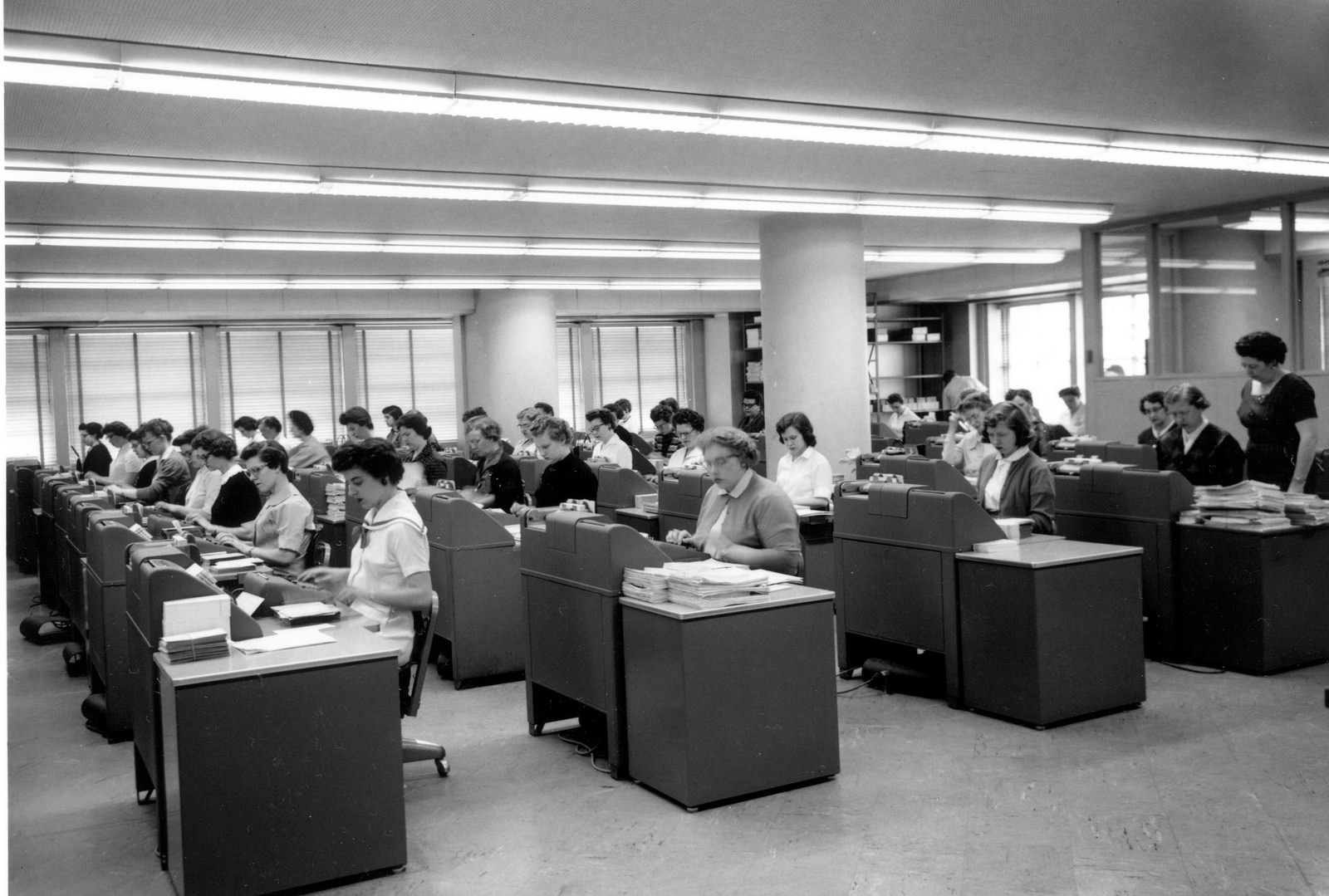
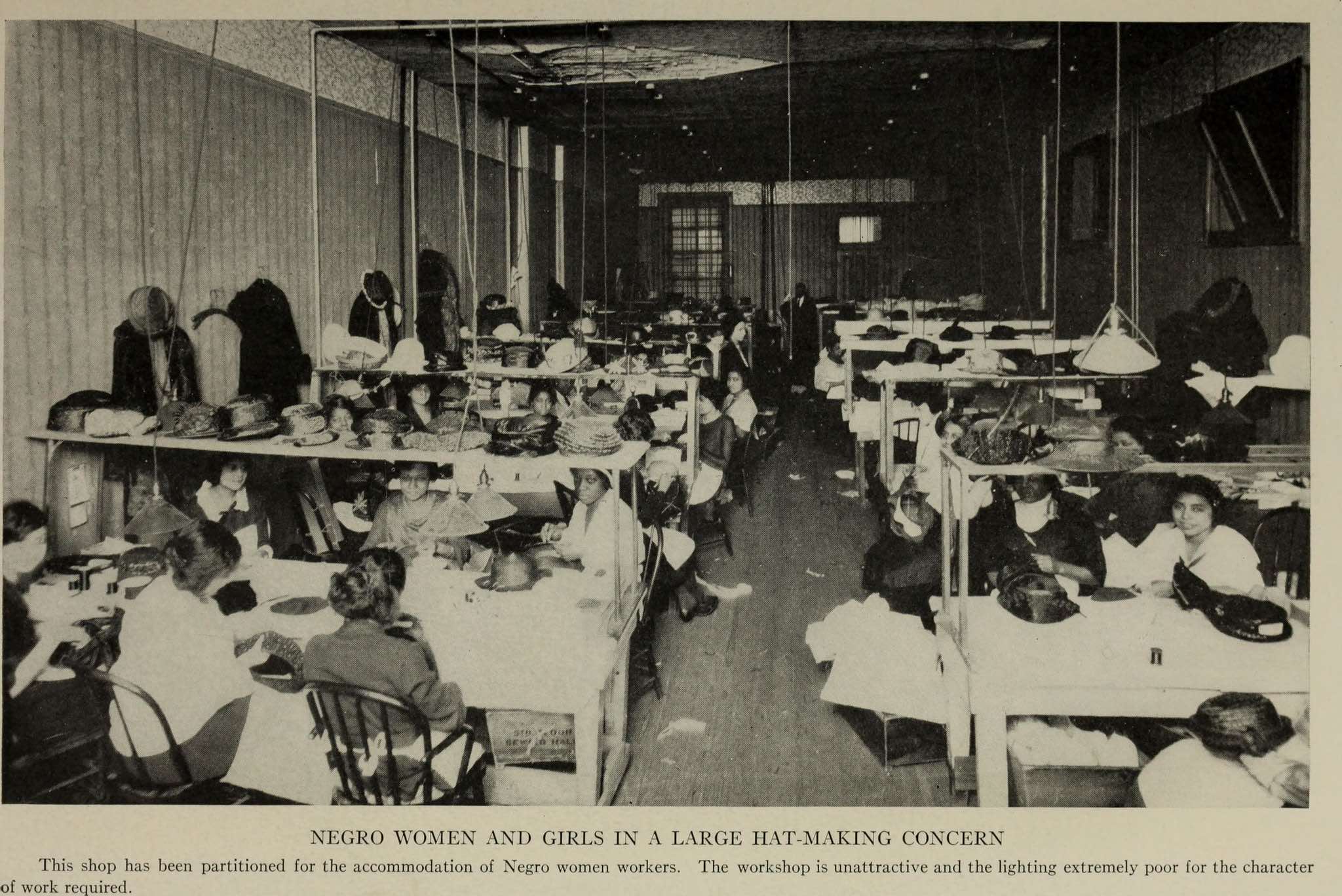
I have used most of these pictures before to commemorate Labor Day.  I added a new image of a hat factory that was partitioned off so that black women could work there. This country was built on cheap labor and slave labor.

Most of the jobs in the pictures don’t exist anymore. Robots and AI are taking over the jobs that are left.

Working conditions for many have improved over the last 100 years but work is still work. It was once thought that technology would replace workers, and it has, but no one ever expected technology to be in charge of the workers. I am thinking of those who work in warehouses, large discount chains, and call centers.

Some jobs are broken down into pieces so that each individual worker does part of a job, over and over.  Many jobs don’t pay well enough so that the worker can afford life’s necessities.

Our brand of predatory capitalism is part of the reason why so many workers can’t have nice things, but their bosses and the people who own the companies can. They are fabulously wealthy, and they hoard their money, which isn’t good for the economy.

On a happier note, labor unions are experiencing a resurgence. I think we need strong labor unions.

factory workers 1934
factory workers 1934 – I like their hats


Construction 1912
Construction 1912
typing pool 1960's
typing pool 1950’s
Factory worker working at machine with draped stockings, 1936


hat factory 1922
Hat factory 1922

The photos came from Flickr commons where there is a treasure trove of old photographs.

Happy Labor Day!

The pictures lie

The Realtor associations and many real estate companies prefer to use pictures of people in their 20s and 30s in their advertising and recruiting materials.

When you see the pictures, you might assume that most Realtors are young and wear suits.

table of Realtor demographics
Screen print of data from the National Association of Realtors

The pictures are lies. The median age of Realtors is 57 years old. That means that half of us are older than that, and half are younger. Only 12% of Realtors are under the age of 39. Yup, that is right, only 12% and the rest are over 40.

When older people are pictured, they are almost always male, yet 63% of Realtors are female, and that is down from 65% last year.

There isn’t age discrimination on the job, but I get the impression that real estate companies and associations prefer younger members. In fact, for a time, they were making an extra effort to recruit younger members for leadership positions. Many of those leaders are now over 50.

It is fairly unusual for someone to become a real estate agent right out of college. Most have had careers before real estate. I used to be a business analyst, project manager, and consultant. Before that, I worked for Metro Transit in the IT department of the maintenance division. I got licensed to sell real estate in 2002 and became a licensed Minnesota real estate broker in 2007.

Most real estate salespeople work on a 100% commission basis, which is why new agents are more likely to be older rather than younger.

There are some advantages in being older. Experience matters. I just wish our Realtor associations would embrace the idea that it is not only OK to be old but that older people might just be better Realtors.


Pending home sales down from June 2025

houses

This just in from the National Association of Realtors

June 2025 National Pending Home Sales

0.8% decrease month-over-month
2.8% decrease year-over-year

June 2025 Regional Pending Home Sales

Northeast

2.1% increase month-over-month
Unchanged year-over-year

Midwest

0.8% decrease month-over-month
0.9% decrease year-over-year

South

0.7% decrease month-over-month
2.9% decrease year-over-year

West

3.9% decrease month-over-month
7.3% decrease year-over-year

Homes go into a pending status before the sale closes. This month’s pending sales will be next month’s sales, which is why we watch pending home sales.

Capital gains tax on your home

Maybe you have been told that the proceeds from the sale of your primary residence are not subject to taxes.

Capital gains are the equity you have in your home. When you paid for it from what it sold for if the number is positive, that is a gain.

The Capital Gains Exclusion Hasn’t Been Updated Since 1997.

A Capital Gains Tax Cliff Is Coming That Will Hit Middle-Class Homeowners Hard. Homeowners are facing a looming tax penalty simply for staying in their homes too long.

The federal capital gains exclusion—capped at $250K for single filers and $500K for married couples— has never been adjusted for inflation. These outdated thresholds are already distorting the housing market and locking up inventory, and it is getting worse every year.

NAR commissioned new studies that find:

• 34% of homeowners today (29M) could already exceed the $250K capital gains exclusion cap for single filers.

• 10% (8M) have potential gains above the $500K threshold for married couples filing jointly.

• By 2030, 56% of homeowners (47M) are projected to potentially exceed the $250K threshold— and nearly 23% (20M) could surpass $500K.

• By 2035, nearly 70% (59M) of homeowners could be over $250K in equity and 38% over the $500K cap.

• 8 states could have more than 40% of owners above the $500K cap by 2030. 20 states by 2035.

The National Association of Realtors (NAR) is lobbying to get the capital gains exclusions doubled.

Pro tip: Realtors are not allowed to give tax advice. People often ask us for tax advice.

Homeownership gap doesn’t appear to shrink

The home ownership gap isn’t shrinking, with a 42% gap in the Twin Cities metro area. 76% of White people are homeowners, and 34% of Black people own homes.

Older people are far more likely to be homeowners than younger people, which makes sense. It takes a while to secure a job and save up for a down payment. The median age for first-time homebuyers hit a record high in 2024, at 38 years old.

Here is an infographic that shows Homeownership Demographics for Minnesota.

Infographic of homeownership demographics
Homeowner demographics