Stairs prevent bungalow legs

Aging doesn’t have to mean moving. Some older Americans choose to age in place.  A home with stairs in it isn’t a bad thing. Walking up and down stairs is great exercise. In fact, some people go to the gym and use a stair stepper to strengthen their legs.

In fact, “Bungalow legs” is an informal term for the physical deconditioning and weakening of leg muscles that can occur when a person moves to a single-story home and stops regularly using stairs, which are a vital form of exercise for leg strength and overall fitness.

Stairways can be kept safe with lighting, and railings. No-slip strips can be put on indoor or outdoor stairways.

I read an article that states that 66% of ninety-year-olds have trouble with stairs. That means that 34% of 90-year-olds can handle the stairs. Taking the stairs whenever possible at home or work is a great way to keep legs strong for those who want to be in the 34%.


Stairway
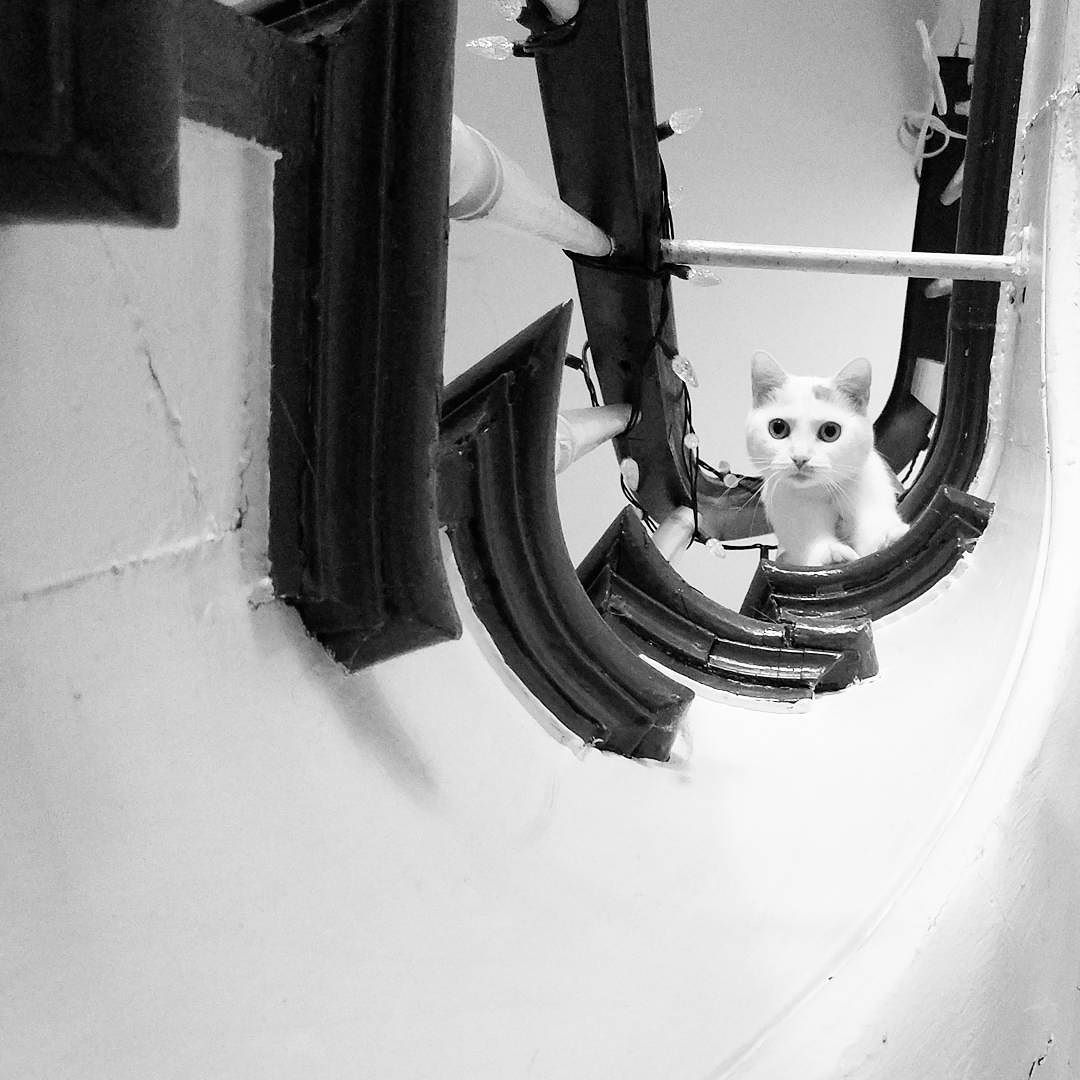
cat on the stairs

Thinking smaller

While the average family size is decreasing, the average size of a new house is increasing. Part of it has to do with the fact that builders need to make a profit and bigger is profitable.  In 1973, the average size of a new home was 1525; today it is over 2500 square feet.

There are some advantages to buying a smaller house. Generally, they cost less to buy than a larger house, which means a smaller mortgage. There is also less to clean and maintain, and less to heat and cool.

For families with children, it may also mean actually seeing the children and spending time with them. Children do not need all that much space it is generally parents who need the extra space because they have children.

When deciding to buy a home, think about size. Owning a 600-800 square foot home could mean more time and money for travel, or having the flexibility to take a lower-paying job, or being able to afford to have a spouse work less to care for a parent or child.

As we age in place, smaller can mean staying home longer. Less storage space makes it harder to accumulate stuff. Space tends to fill up with stuff.


blue house
small house


Are mortages forever?

WalkerI used to read articles about retirement. I stopped reading because they are mostly about money (There is never enough, and we should all be afraid) or about staying healthy (We all age and we die no matter how great our diet is and how much exercise we get)

It is very rare to see an article about retirement that differentiates between people who own their home mortgage-free and those who rent or pay a mortgage. I don’t have any proof, but I believe that people who own a home free and clear can survive on a smaller income than those who pay rent or mortgage.

Sometimes I meet retirees who live on Social Security checks in homes they won free and clear, and seem to do just fine. They don’t appear to be wealthy, but they aren’t eating cat food either.

More Americans aging into retirement are still paying down mortgages. Over the past three decades, the share of homeowners ages 65 to 79 with a mortgage rose from 24% to 41%. More older adults are entering retirement in debt, including mortgage debt. 

  • National Council on Aging states that just over 79% of older Americans were homeowners in 2022.

According to the U.S. Census Bureau, nearly 40% of homes in the country were mortgage-free last year. That means more than 34 million homeowners have fully paid off their mortgage, leaders at the National Association of Home Builders said in a recent report.

Maybe you can’t save up and invest enough money to have a million dollars for your retirement. Maybe you can limp along with less if you can retire debt-free.

There are ways to pay down a mortgage. One way is to pay extra on the principal each month. Refrain from borrowing more against your home as the equity builds.

Owning a home free and clear in retirement might make it easier to stretch that Social Security check a little further.

Mortgages don’t have to be for life.
 

Sometimes not moving makes sense

drawing of a house
I drew this myself

Let’s face it. Moving is expensive, and so is selling your home. Sometimes it makes sense to stay where you are, especially if you are over age 65.

No, this isn’t another article about home modifications for the elderly. This is about rethinking how you use the space you have.

I know one couple who converted their living room into a bedroom simply by removing one chair, rearranging the rest of the furniture, and then adding a bed and a small chest of drawers because they needed a main-floor bedroom. The living room has egress windows and two exits.

The room no longer works well for family gatherings or for entertaining, but the couple can still use the space for watching movies. The space still works for reading.

There are only a few days a year when space for entertaining is needed, and on those days, the dining room, kitchen, and what is left of the living room work well.

Who says there has to be a living room or that any room in a house has to be used for a certain purpose or in a certain way? Thinking outside can be an inexpensive way to stay where you are, even if your circumstances have changed.

It isn’t at all unusual for an office to become a bedroom or for a bedroom to become an office. An office can be used as a family room or as a space for entertaining.

You may have enough space, but you just need to use it differently. Sometimes we need to think outside the box.

Re-thinking “aging in place”

swallow tail butterfly
Swallowtail butterfly

I think the term “aging in place” should be retired. Everyone is aging, and it doesn’t matter where we live; we start aging the day we are born and continue to age until we die.

People who move to assisted living, memory care, or a skilled nursing facility continue to age. There is quite an age range of residents in “senior” facilities.

President Biden was 82 when he left office. Like his predecessors, he aged four years while in office, but no one said he was “aging in place”.

No matter where we are or how old we are, we are always aging, which means that everyone is aging in place.

At what point are we “Old”? That is a tough one.

Everyone ages in place until they die, yet we only mention it if the person is old.


Stairs are a good thing

Stairway
Stairway

I recently heard the term “bungalow legs” for the first time. The term describes what happens to a person’s legs if they do not climb stairs.

The lack of regular stair climbing can impact leg strength and fitness, especially in the lower body muscles used for ascending and descending stairs. 

This isn’t a problem that I have, as I own a home with two flights of stairs and am not afraid to use them.

Regular stair climbing is a form of exercise that helps maintain muscle strength, balance, and cardiovascular health. When stairs are not used regularly, it can lead to weakened leg muscles and potentially affect overall physical fitness. 

A person can do squats, lunges, and calf raises instead of climbing stairs.

Aging in place can happen in a house with stairs if there is a railing, the stairs are kept clutter-free, and are well lit. On the other hand, we are all just one knee surgery or broken hip away from not being able to use the stairs.